

In short
- iPRF is a concentrate from your own blood, with no anticoagulant and no additive of any kind. Everything that goes back into the scalp comes from you1.
- A delicate fibrin mesh holds the growth factors close to the follicle and releases them gradually, instead of one quick dose12.
- In a randomized trial in women, hair count rose by about 27% with iPRF, compared with about 15% with PRP, with the lowest rate of side effects3.
- Even when standard treatments were not enough: in a study of 30 patients, 80% responded to a course of iPRF after six months4.
- The treatment is similar to PRP: a blood draw, a short spin in a centrifuge and injection into the scalp, and you return to your routine the same day.
- The evidence is still early: most studies are small and do not always have a control group, so iPRF is an option to consider at a consultation, not a treatment that promises a result114.
- At the clinic, the treatment is performed personally by Dr. Dana Buchbut, physician (M.D.).
At a glance
- What it is: a concentrate from your own blood, with no anticoagulant and no additives, that forms a fibrin mesh in the scalp and releases growth factors gradually.
- Duration: one visit: a blood draw, a short, slow spin in a centrifuge and injection into the scalp.
- Number of sessions: usually three to six, about a month apart, followed by maintenance.
- First results: in studies, improvement was measured after 3 to 6 months. The first sign is usually less shedding.
- Comfort: small pricks and a feeling of pressure for a few minutes. Cooling, numbing cream, a vibration device and nitrous oxide (laughing gas) can make it easier.
- Who it suits: mild to moderate hereditary hair loss in women and men, while the follicles are still active.
- Combines with: medication, PRP for hair, mesotherapy (Hebrew) and polynucleotides.
This page is about iPRF. The full comparison of the three autologous blood concentrates is on the page iPRF and CGF for hair (Hebrew), and the longest-established treatment in the family is described on the page PRP for hair. There are separate pages on iPRF for the skin: iPRF for the face (Hebrew) and PRF, iPRF and CGF for scars (Hebrew).
What is iPRF for hair?
iPRF (injectable platelet-rich fibrin) is a liquid concentrate for injection, made from your own blood with a short, slow spin in a centrifuge, without adding anticoagulant or any other additive. The method was developed in dentistry about a decade ago to help tissues heal after gum surgery and dental implants, and from there it moved to skin and hair1. What is injected is a combination of plasma, platelets, white blood cells and the clotting protein fibrinogen, which turns within minutes into a delicate fibrin mesh1.
You can think of it as the next generation of autologous blood treatments: after PRP, which is prepared with an anticoagulant, came the PRF family, prepared without additives and forming a fibrin mesh. CGF is another member of the family, prepared with a different spin program5.
Why does a slow spin make the difference?
When the centrifuge speed is lowered, more platelets and white blood cells remain in the upper layer that is collected. In a study that examined this systematically, reducing the centrifugal force produced a concentrate richer in platelets and white blood cells, with higher concentrations of the growth factors VEGF and TGF-β16. The type of centrifuge matters too: in a horizontal centrifuge, where the tubes spin lying flat, the cells separate more gently and evenly7.

How does iPRF help hair?
The platelets in iPRF release growth factors, and the fibrin holds them near the follicle and releases them gradually, like a steady drip of nourishment.
- Growth factors: platelets release proteins that stimulate follicle cells, support the formation of small blood vessels around the follicle and help it stay longer in the growth phase8.
- A fibrin scaffold: without anticoagulant, a natural fibrin mesh forms in the concentrate and holds the growth factors and cells at the injection site1.
- White blood cells: the concentrate also contains white blood cells, which take part in tissue healing and regeneration16.

In laboratory measurements, PRP released a large amount of growth factors in the first 15 to 60 minutes, while PRF concentrates released growth factors continuously and steadily for 10 days2. A 2025 systematic review comparing iPRF with PRP across all fields of medicine found that iPRF produced a higher platelet concentration and a longer release of growth factors, and in 72% of the studies the results with iPRF were better9.
How is iPRF different from PRP?
The main difference is in the preparation: PRP is prepared with an anticoagulant, and iPRF with no additive at all. That is why a natural fibrin mesh forms in iPRF and releases the growth factors gradually.17
| PRP | iPRF | |
|---|---|---|
| Additives in the tube | Anticoagulant | No additives |
| Centrifuge | One or two spins | A short, slow spin |
| What is injected | Platelet-rich plasma | Platelets, white blood cells and fibrin |
| State of the product | A liquid that stays liquid | A liquid that forms a fibrin mesh within minutes |
| Growth factor release | Fast, in the first hours2 | Gradual, over several days2 |
| Increase in hair count in the comparative trial | About 15% | About 27%3 |
What have studies found about iPRF for hair loss?
The comparative trial: in a 2026 multicenter randomized trial, women with female pattern hair loss received four sessions four weeks apart of PRP, iPRF or CGF. 74 women completed the study. After 24 weeks hair count had risen in all groups, and the increase was larger in the iPRF and CGF groups (about 27%) than in the PRP group (about 15%). The iPRF group also had the lowest rate of side effects3.
Even when standard treatments were not enough: in a study of 30 patients with hereditary hair loss who had not responded adequately to standard treatments, six monthly iPRF injection sessions were given. After six months, 80% had responded, with improvement in hair density and in scalp symptoms such as itching, oiliness and dandruff, and with minimal side effects4. If you have already had a course of PRP without enough improvement, you can read about the reasons for a weak response to PRP and what can be adjusted (Hebrew).
Further studies: a case series of 11 women with female pattern hair loss reported improvement in measurements taken 3 and 6 months after the start of treatment10. A systematic review described the use of iPRF in hair and facial skin11, and another review from 2026 describes the results in hair as consistent12.
Research in this field is relatively young and developing quickly, and most studies so far are small.
iPRF compared with other treatments
iPRF does not replace other treatments but works alongside them: each one acts on a different part of the problem.
- iPRF vs. PRP: both come from your own blood. iPRF has no additives and releases gradually; PRP has been studied for more years. Sometimes both are combined in the same plan. Details in PRP for hair.
- iPRF vs. mesotherapy (Hebrew): iPRF delivers growth factors from your own body, and mesotherapy delivers vitamins or medications. They complement each other.
- iPRF vs. hair transplant: a transplant moves follicles to a bald area, and iPRF strengthens the follicles you already have, with no surgery and no recovery. It is especially suited to early stages and to preserving hair after a transplant.
- iPRF alternating with polynucleotides (PDRN, salmon DNA) (Hebrew): two different stimuli for the follicle, in one plan.
Why combine iPRF with other treatments?
iPRF nourishes the follicle, and medication treats the mechanism that causes the hair loss. In hereditary hair loss the foundation is usually medication (Hebrew), and iPRF reinforces it by delivering growth factors to the follicles and improving the environment in which they grow. A home treatment such as microneedling (Hebrew) can also be added. At the clinic the combination is tailored to each patient after a trichoscopic diagnosis (Hebrew).
How is an iPRF scalp treatment done?
The treatment is similar to PRP, with one practical difference: because there is no anticoagulant, the liquid is injected shortly after preparation, while it is fresh and active.
- Scalp examination and diagnosis before the course, to confirm that the hair loss is a type iPRF suits.
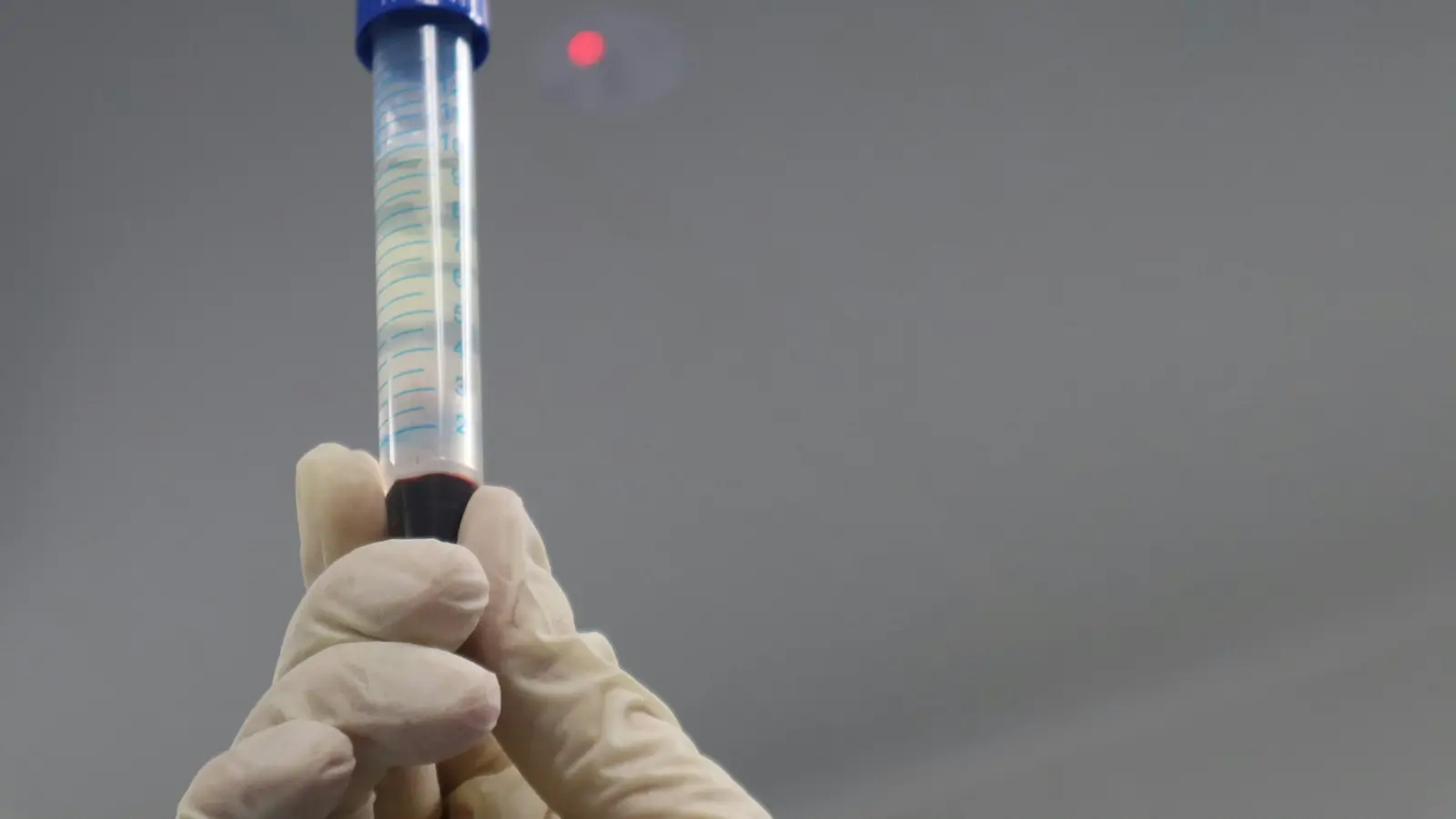
- A blood draw from a vein into tubes with no additive at all1.
- A short, slow spin in a centrifuge and collection of the upper liquid layer17.
- Injection into the scalp in the weakened areas and the areas next to them, within the time window in which the liquid is still liquid1.
- Follow-up over months, with photos taken under the same conditions and magnified examination, and adjustment of the plan according to the response10.
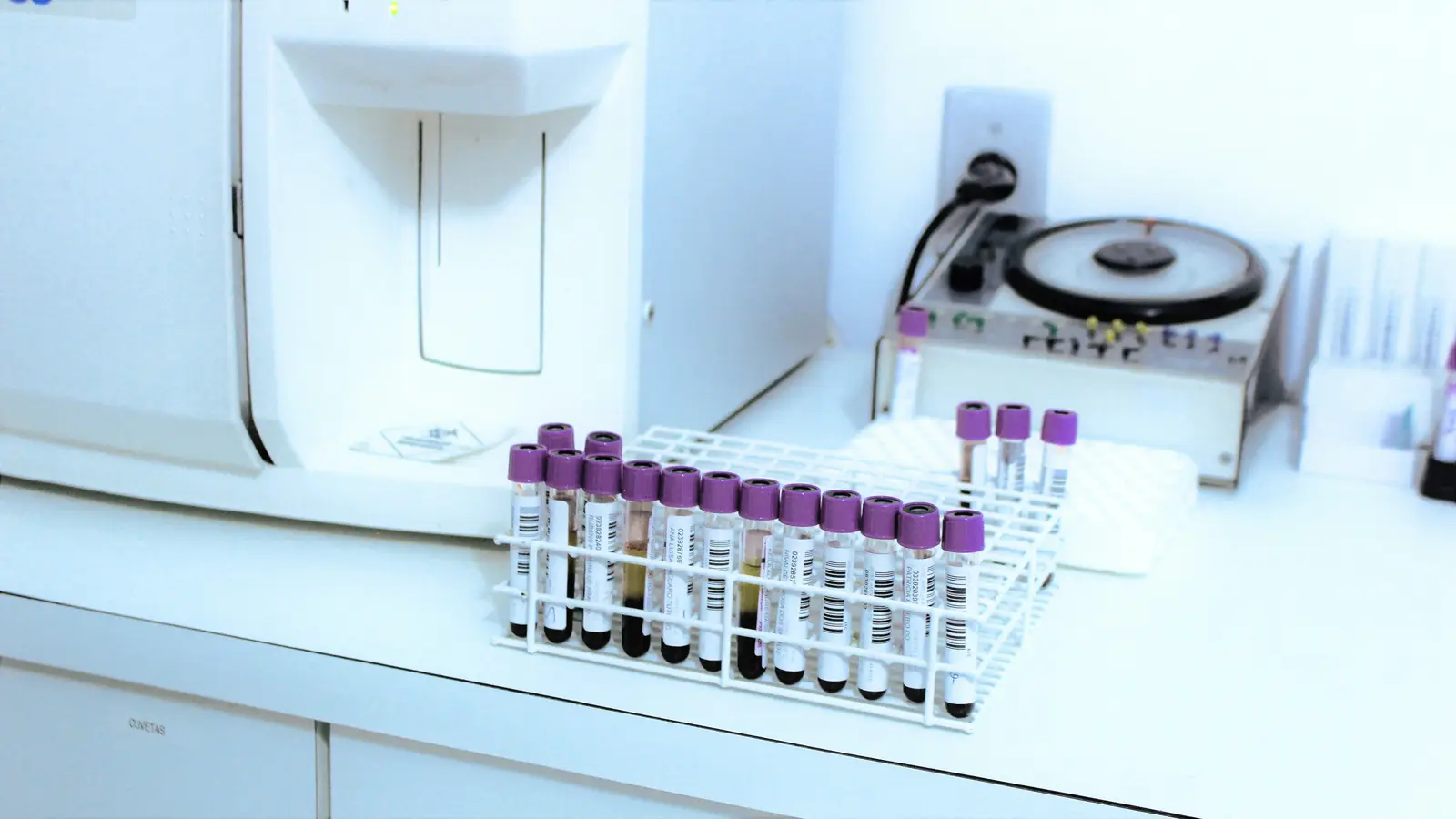
In the randomized trial, four sessions were given four weeks apart3, and in the study of patients who had not responded to standard treatments, six monthly sessions4. At the clinic the number of sessions is set according to your individual situation.
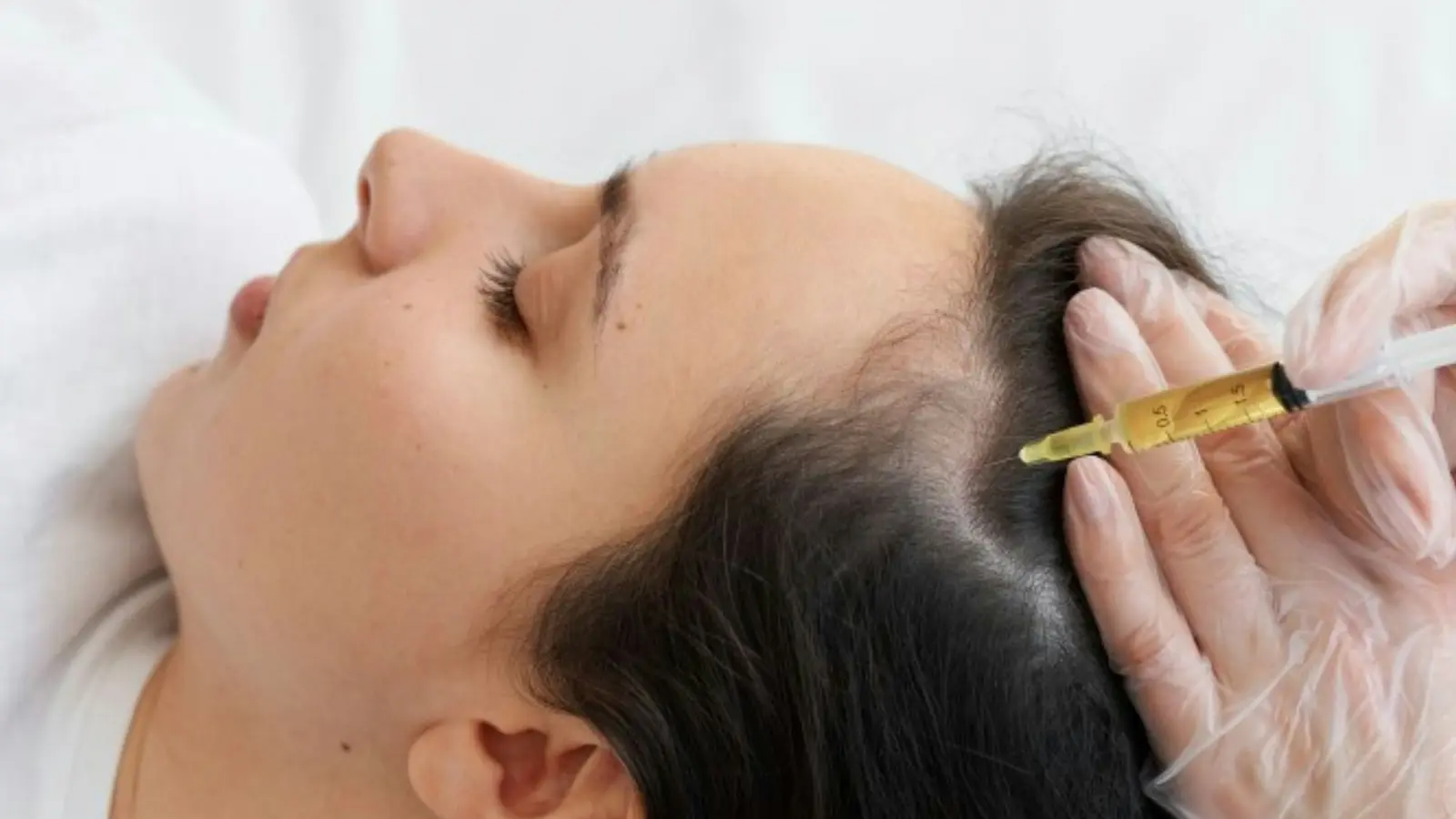
After a hair transplant: supporting the result with iPRF
Transplanted hair is more resistant, but the native hair around it continues to be affected by hereditary hair loss. That is why, after a transplant, it is worth strengthening this hair too, so the overall look stays full. iPRF is particularly suitable for this, because it comes from your own body and involves no recovery days. Had your transplant abroad? You can get follow-up and support here, close to home. On the recovery itself: instructions after a hair transplant (Hebrew).
What are the side effects of iPRF?
iPRF is made entirely from your own blood, with no foreign material and no additives, so side effects are mainly local and temporary: tenderness, mild swelling and sometimes a small bruise.8 In the randomized trial, the rate of side effects with iPRF was the lowest of the three concentrates3. The contraindications (Hebrew) are similar to those of PRP: platelet disorders, an active scalp infection, and medications that affect clotting. It is important to tell the physician about every medication and medical condition before treatment. What to check before a treatment prepared from your blood, and what happens on the day itself, is described on the page preparing for PRP for hair (Hebrew).
Who is iPRF especially suited to?
iPRF is mainly suited to hereditary hair loss, in women and men, as part of a combined treatment plan.3104
- Mild to moderate hair loss and hair that has thinned, while the follicles are still active. The earlier you start, the more follicles there are to strengthen.
- People who prefer a treatment with no foreign material or additive at all.
- People already in treatment who want to strengthen their response to medication.
- People who have had a hair transplant and want to preserve the hair around the transplanted area.
- People who work, study and exercise: a few visits a year, with no daily routine.
Less suitable when there are no longer active follicles in the area, when there is an active skin disease on the scalp, or when there is a clotting disorder. Alopecia areata is a different, autoimmune condition, and its treatments are described on the page treatment of alopecia areata (Hebrew).
What can you expect, and when?
Hair grows in cycles, so change builds up over months. The first sign is usually less shedding. In studies, improvement in density was measured after 3 to 6 months1034. Follow-up is done with photos of the same area under the same conditions and with magnified examination (trichoscopy), so the change in hair density and thickness can be seen in numbers and the plan adjusted along the way. To keep the result over time, maintenance sessions are planned together. A detailed timeline, and what the evidence does and does not show, is on the page iPRF for hair: when results appear (Hebrew).
What is the evidence for iPRF today, and what is still unknown?
iPRF has been studied for hair in recent years, and the first studies point to improvement in hair density, but they are small and some have no comparison group. In the laboratory, in a study of human dermal papilla cells (the cells that regulate the hair follicle), iPRF extracts promoted cell proliferation and migration13. This is a laboratory finding and is not proof of a result in patients. A 2024 systematic review of seven studies, about 130 patients, examined iPRF for hair and facial rejuvenation; three of them dealt with hair and reported improvement in density and growth, and the authors stress that larger studies with control groups and longer follow-up are needed11.
What is still unknown: how many injections are needed and at what intervals, and whether the difference between iPRF and PRP is meaningful in the long term. There is no agreed standard number in the literature, so it is not possible to promise how many sessions will be needed or how much improvement there will be. For details on the differences between iPRF and PRP, see the comparison of regenerative hair treatments (Hebrew).
What's new in research (updated November 2026)
Two new publications add to the picture, one from the laboratory and one broad review:
- A laboratory study on follicle cells (2024): researchers in China exposed cultured dermal papilla cells, the cells that direct follicle growth, to iPRF and to PRP. Both preparations encouraged cell division and migration and the cells' ability to stimulate hair growth, and the effect of iPRF was stronger, through the TGF-β/Smad signaling pathway. This is a laboratory study only: it explains a possible mechanism and does not prove a result in patients14.
- A review of autologous growth factor injections (2026): a systematic review and meta-analysis of 12 studies with 745 patients examined injections of platelet concentrates from the patient's own blood, from PRP to newer-generation concentrates. The injections were found to be safe and improved hair density and thickness over a year. The review did not examine iPRF separately, and the researchers stress a high risk of bias and non-uniform protocols, so they regard the findings as a basis for large controlled trials15.
These summaries describe the design of the studies and the researchers' conclusions, and are not a personal recommendation. Any decision about treatment is made only after an examination.
How is iPRF done at Dr. Buchbut's clinic?
With Dr. Dana Buchbut, who has been caring for patients in hair medicine for 16 years, the decision whether and when iPRF fits into your plan is made after a precise trichoscopic diagnosis. Dr. Buchbut holds a Doctor of Medicine degree from Tel Aviv University, with an internship at Ichilov (Tel Aviv Sourasky Medical Center), experience in the dermatology department at Hadassah and clinical experience at Harvard-affiliated Brigham and Women’s Hospital. The treatment is built as part of a personal protocol, usually alongside medication, PRP or mesotherapy (Hebrew), and the hair's progress is measured at follow-up under the same conditions. The earlier you start, the more active follicles there usually are to strengthen.
Not sure which regenerative treatment suits you? A comparison of regenerative hair treatments: PRP, iPRF, CGF, Regenera, exosomes and nanofat (Hebrew).
Frequently asked questions
What is iPRF for hair?
iPRF is a liquid concentrate rich in platelets, white blood cells and fibrin, made from your own blood with a short, slow spin in a centrifuge, without anticoagulant and without additives, and injected into the scalp. The method was developed in dentistry for tissue healing and is now also used to strengthen hair follicles.
How does iPRF help hair?
The platelets in iPRF release growth factors that stimulate the follicle, support its blood supply and help it stay in the growth phase. The fibrin mesh holds the growth factors near the follicle and releases them gradually, like a steady drip of nourishment instead of one quick dose.
What is the difference between iPRF and PRP?
PRP is prepared with an anticoagulant and releases most of its growth factors in the first hours. iPRF is prepared with no additive at all, so a fibrin mesh forms in it that releases the growth factors gradually over several days. In laboratory measurements, PRF concentrates released growth factors continuously for 10 days.
What have studies found about iPRF for hair loss?
In a randomized trial in 74 women, hair count after 24 weeks rose by about 27% in the iPRF group, compared with about 15% with PRP, and the rate of side effects with iPRF was the lowest. In a study of 30 patients with hereditary hair loss who had not responded adequately to standard treatments, 80% responded to a course of iPRF after six months.
How many iPRF sessions are needed?
Usually a course of three to six sessions about a month apart, followed by maintenance. In the randomized trial, four sessions were given four weeks apart. The plan is tailored to the type and extent of hair loss and to the response at follow-up.
When will I see results?
Hair grows in cycles, so change builds up over months. In studies, improvement was measured after 3 to 6 months, and the first sign is usually less shedding.
Does iPRF hurt?
You feel small pricks and a sense of pressure for a few minutes. Cooling, numbing cream, a vibration device and nitrous oxide can make it easier, so even people who are anxious about needles go through the treatment calmly.
What are the side effects of iPRF?
iPRF is made entirely from your own blood, with no foreign material, so side effects are mainly local and temporary: tenderness, mild swelling and sometimes a small bruise. In the randomized trial, the rate of side effects with iPRF was the lowest of the three concentrates.
What is the difference between iPRF and a hair transplant?
A transplant moves follicles from one place to another, and iPRF strengthens the follicles you already have, with no surgery and no recovery. That makes it especially suited to early stages, and also to preserving the hair around a transplanted area.
Can iPRF be combined with other treatments?
Yes, and it is even recommended. iPRF combines with medication, PRP, mesotherapy and polynucleotides (PDRN, salmon DNA). Each treatment acts on a different aspect of hair loss, and the combination is tailored to you.
Who is iPRF not suitable for?
The contraindications are similar to those of PRP: platelet disorders, an active scalp infection, or medications that affect clotting and cannot be stopped. Suitability is checked individually before treatment.
Is the evidence for iPRF strong enough to promise a result?
How much does iPRF for hair cost?
The cost depends on the number of sessions in the course, the combination with other treatments and the trichoscopic follow-up, so the plan and its cost are put together after the examination. iPRF for hair is an aesthetic-medical treatment and in most cases is not covered by Israel's national health basket (the treatments funded by the public health funds).
iPRF for hair and iPRF for the face: is it the same treatment?
The concentrate is prepared the same way, from your own blood and without anticoagulant, but the goal and the injection area are different. For hair it is injected into the scalp to strengthen weakened follicles. In the face it is injected into the skin, for example under the eyes, to improve skin quality. The facial treatment has its own page: iPRF for the face (Hebrew).
Related reading
Regenerative hair treatments compared
PRP, iPRF, CGF, Regenera, exosomes and nanofat: the differences in brief.
Read (Hebrew)PRP for hair
The most studied treatment in the family of autologous blood concentrates.
ReadThe U225 injection gun
What the automatic injection device is, who it suits and what the literature says.
Read (Hebrew)Manual injection or the U225 gun
The difference between the two methods, and why Dr. Buchbut recommends manual injection.
Read (Hebrew)CGF for hair
A growth factor concentrate produced in a centrifuge at variable speed.
ReadiPRF and CGF for hair
The full comparison of the three autologous blood concentrates.
Read (Hebrew)Nitrous oxide for scalp treatments
A calm, relaxed treatment, even for people who fear needles.
Read (Hebrew)Polynucleotides (PDRN, salmon DNA) for the scalp
A treatment that can alternate with iPRF.
Read (Hebrew)iPRF for the face
The same material in facial skin and under the eyes.
Read (Hebrew)iPRF in Tel Aviv
A blood concentrate without anticoagulant: what is known and what is not, and how the treatment is done.
Read (Hebrew)How PRP is prepared
From the blood sample to the injection.
Read (Hebrew)PRP or MCT: what is the difference
Standard PRP versus PRP activated with light and temperature.
Read (Hebrew)PRP questions and answers
Frequently asked questions grouped by topic.
Read (Hebrew)How much iPRF for hair costs
What determines the cost, how it differs from PRP, and what to ask about a quote.
Read (Hebrew)iPRF: when results appear
A timeline at 1, 3, 6 and 12 months, how many sessions, and how change is measured.
Read (Hebrew)The information on this page is general and for education only. It does not replace an examination, diagnosis or personal medical advice. Any decision about treatment is made only after an examination.