

In short
- PRP for the face is plasma from the patient's own blood, concentrated in platelets, that is injected into the skin or introduced into it with microneedling (the "vampire facial")12.
- The strongest evidence is for improved skin thickness and elasticity, and it is weaker for wrinkles, texture, pigmentation and hydration3.
- "Vampire facial" is not a brand name but a popular nickname for combining PRP with microneedling1.
- Serious complications are rare but have been documented, including a cluster of HIV infections at an unregulated spa and reported cases of vision loss in one eye after injection into the face24. That is why it matters that the treatment is done in a sterile, licensed medical setting.
- "Plasma for the face" sometimes refers to an entirely different plasma device, not to PRP, so it is important to confirm exactly what is meant.
- At the clinic, the treatment is performed by Dr. Dana Buchbut herself, a physician (M.D.).
What is PRP for the face, and how is it prepared?
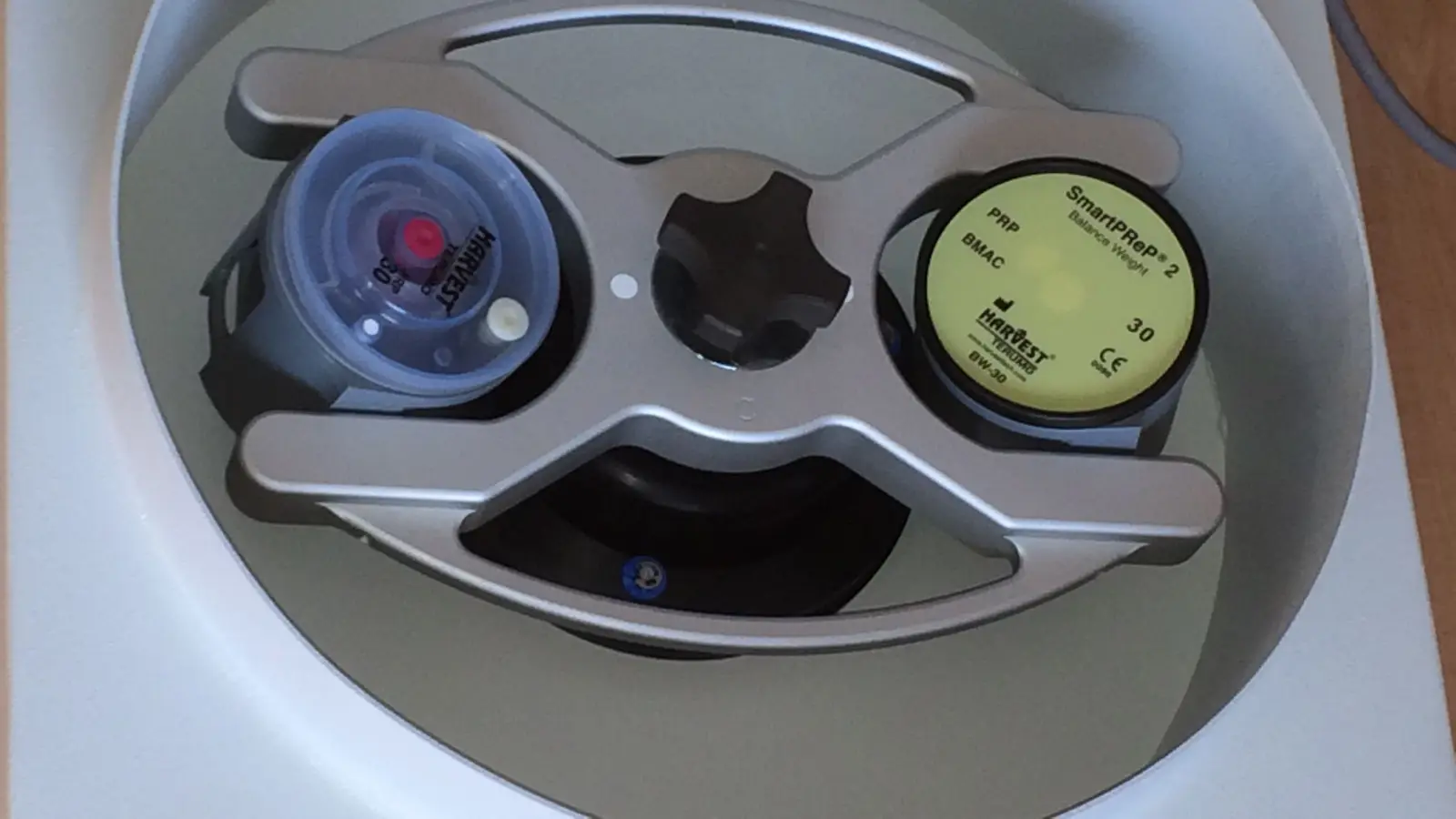
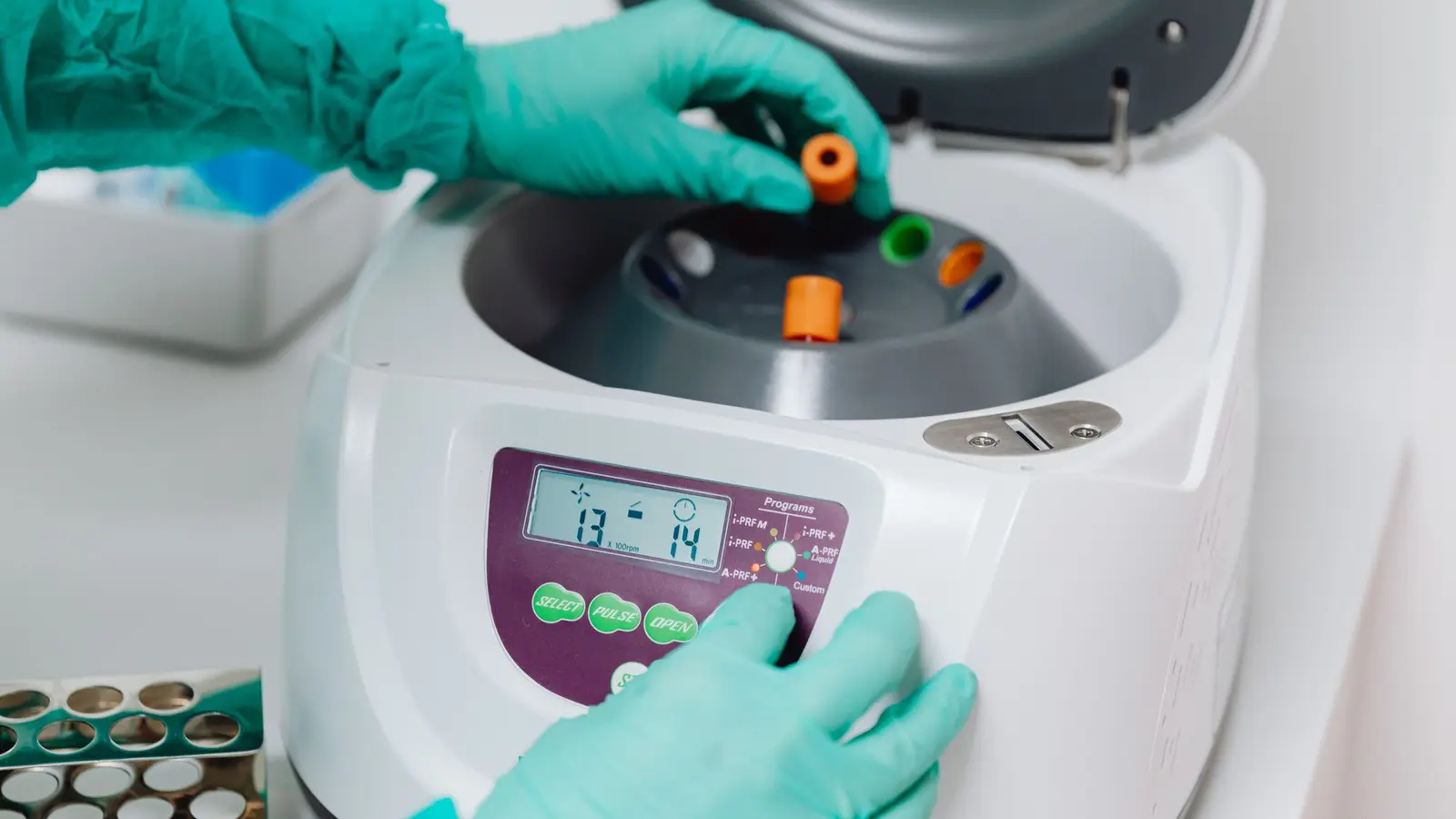
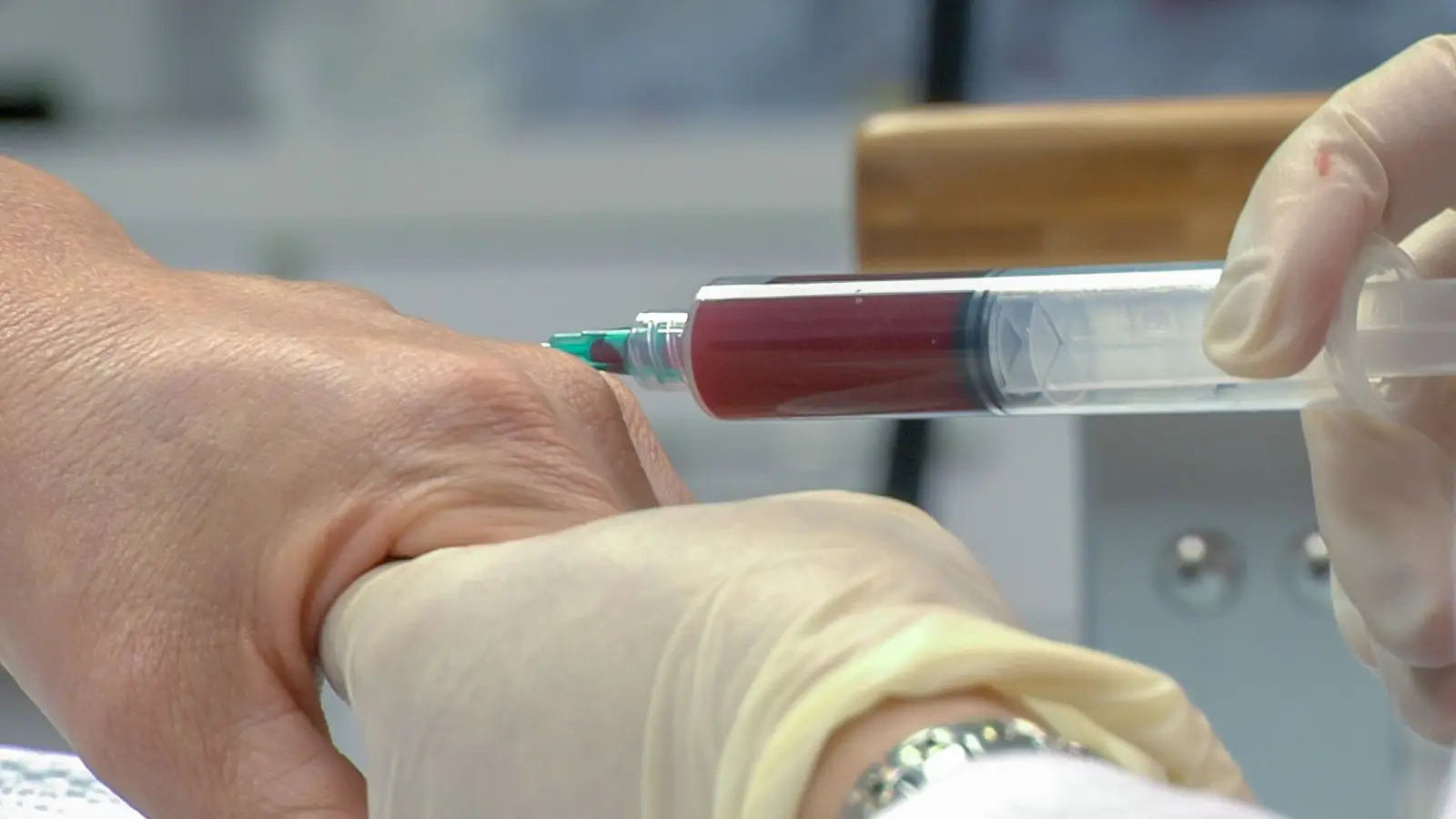
PRP is platelet-rich plasma, obtained from the patient's own blood with a centrifuge and returned to the skin by injection or combined with microneedling. A small blood sample is taken, separated into layers in a centrifuge, and the platelet-rich layer is collected. The biological idea is that platelets release growth factors that may encourage repair processes in the tissue1. The method itself, separating blood into its components, is also used in other contexts in hair and skin medicine, which is why the name of the method (PRP) comes up in different places on the site.

What is a "vampire facial", and how does it differ from PRP injection?
"Vampire facial" is a popular name for combining PRP with microneedling, not a separate method. In both versions the source is the same PRP. The difference is in how it is introduced into the skin:
- Injection: the plasma is delivered directly to a specific depth in the skin with a fine needle.
- "Vampire facial" (PRP with microneedling): the plasma is spread over the surface of the skin, and immediately afterward or at the same time microneedling is performed, so the plasma penetrates through the thousands of tiny holes the device creates1.
The name "vampire" comes from the reddish-orange look the skin has after the treatment, not from any medical feature5. It is worth stressing that this is only a popular nickname for the delivery technique and has no clinical meaning of its own: medically, a "vampire facial" is simply PRP delivered in combination with microneedling.
"Plasma for the face": is it the same thing?
Not necessarily, and it is worth checking what is meant. In Hebrew, "plasma treatment for the face" can also refer to a plasma device (plasma pen / cold plasma), a device that creates a tiny electrical arc above the skin, with no connection to blood or injection. It is a completely different treatment from PRP, with a different mechanism of action, different risks and a different evidence base. The similar name causes common confusion, so it is important to ask explicitly which treatment is being offered.
What do studies show?
The strongest evidence is for improved skin thickness and elasticity, and the weakest is for a change in skin hydration. A 2025 systematic review that included 20 studies and 514 patients who received PRP or PRF as a single treatment found significant improvement in the following parameters3:
| Parameter | Share of studies reporting significant improvement |
|---|---|
| Skin thickness | 80% |
| Elasticity | 75% |
| Wrinkles | 40% |
| Texture | 33% |
| Pigmentation | 17% |
| Hydration | 0% |
All the studies in the review reported increased patient satisfaction, and no serious side effects were reported in the studies reviewed (but see below on rare complications)3. Another systematic review, of 12 studies, found improvement in 11 of them but noted that most measures were subjective and that higher-quality randomized controlled trials are needed6. A third review described "hints" of improvement in histology and in patient reports, alongside differences in technique and dosing between studies7. Cleveland Clinic sums up the state of research as "limited research" and stresses not to expect a face-lift effect1.
Who is it suitable for, and who is it not?
Suitability for PRP for the face is determined at a personal examination. The main contraindications are bleeding disorders, taking anticoagulants, a severely low platelet count and active infection in the treatment area.
A contraindication mentioned in general patient sources is bleeding disorders and taking anticoagulants1. A review on PRP (written in the context of hair treatments, but dealing with the preparation of PRP itself) lists absolute contraindications: a severely low platelet count, platelet dysfunction, hemodynamic instability, sepsis and active infection in the treatment area. Relative contraindications according to the same review: nonsteroidal anti-inflammatory drugs in the days before treatment, a steroid injection into the area in the past month, oral steroids in the past two weeks, febrile illness, certain types of cancer, anemia and smoking8. If you take blood thinners, do not stop them on your own.
Does PRP help dark circles under the eyes?
It may, mainly when the problem is pigmentation, but the evidence is still limited. A 2025 systematic review that included 14 studies on PRP and PRF injections around the eyes found that PRP showed stronger evidence specifically for improving pigmentation (darkness), and that the improvement in pigmentation was maintained at about six months of follow-up. The side effects reported were mild and transient. However, the authors stress that the evidence does not show a clear advantage for either method and that larger controlled studies are needed9. Suitability is determined at the examination. For a comparison with filler in this area, see under-eye filler.
How many treatments, and when do you see a result?
According to Cleveland Clinic, several treatments 4 to 6 weeks apart are usually needed, followed by maintenance treatments1. This is a general patient source, not a figure derived from a precise meta-analysis of treatment intervals.
Disadvantages and risks of plasma treatment for the face
The main disadvantages of plasma treatment for the face are the need for a series of several treatments plus maintenance treatments, and the differences between preparation methods, which make it hard to compare studies. In addition, there are common, mild side effects and rare risks that depend mainly on the treatment conditions.
The common effects are redness, swelling and tenderness in the treatment area, which resolve within a few days. With a "vampire facial" using microneedling, the redness may be more noticeable in the first days because of the look the device creates on the skin. None of the reviews read reported serious side effects on a significant scale37.
An important distinction: these common side effects are related to the skin's natural healing process after injection or microneedling, and are completely different from the rare but serious complications described further down the page: infection from non-sterile equipment, and damage to blood vessels. This distinction matters for understanding the right balance between the common risk (mild and temporary) and the rare risk (serious but uncommon).
Why does it matter that the treatment is done in a medical setting?
Even a treatment based on your own blood requires full sterility, suitable equipment and injection skill, exactly like any other invasive medical procedure. In 2024 the CDC in the United States published an investigation report on an event in which five cases of HIV infection were diagnosed (four clients and the partner of one of them), linked to "vampire facials" at an unregulated spa in New Mexico. This is the first documentation of HIV transmission through a cosmetic procedure of this kind. Inspection of the spa found unlabeled blood tubes on a kitchen counter, botulinum toxin and lidocaine stored in a refrigerator together with food, and no sterilization device (autoclave) on site; the tips of single-use needles were cleaned with alcohol and reused. The report recommends proper infection control, use of disposable equipment, patient record-keeping, and licensing and oversight of facilities that perform such procedures2. Following the event, an American professional body stressed that such procedures should be performed by licensed, trained medical professionals5.
Beyond the infection risk, there is also a rare vascular risk: a systematic review of case reports, published in 2026 and covering data up to August 2025, identified 10 cases worldwide of vision loss in one eye after PRP injection, nine of them after injection into areas of the face (between the brows and on the forehead). In most cases the vision loss was immediate and irreversible, and more than half of the injections were performed by non-physicians or by people without appropriate training. The authors' conclusion: although it is an autologous material, PRP can cause serious vascular events, similar to other fillers4. This is a very rare complication, but it illustrates that the safety of the treatment depends on the injection technique and the training of the person performing it, not only on the fact that the material comes from the patient's own blood.
What should you ask before PRP treatment for the face?
Four questions worth bringing to the consultation: who performs the injection and what their training is, under what sterility conditions it is done, which method was chosen, and what your medical history is.
In light of what the CDC report and the vision-loss cases illustrate, it is worth coming to the consultation with a few prepared questions, even if it is "only" your own blood24:
- Who performs the injection, and what their training is: according to the review on vision complications, more than half of the serious events were related to injection by non-physicians or by people without appropriate training4.
- Under what sterility conditions the treatment is performed: disposable equipment, labeled tubes and proper sterilization conditions.
- Whether it is injection, microneedling or a combination of the two, and how the expected result differs with each method.
- Which parts of your medical history are relevant before the treatment: especially bleeding disorders or taking anticoagulants.
PRP, iPRF or skin booster: what is the difference?
PRP, iPRF and skin boosters are three different categories of injections for improving skin quality, which differ in the source of the material and how it is prepared. iPRF (injectable Platelet-Rich Fibrin) is also a product obtained from your own blood with a centrifuge, but with a different spin protocol from classic PRP, designed to preserve more white cells and growth factors in a gel-like rather than liquid texture. PRP and iPRF both come from the patient's own blood and differ mainly in the centrifugation method and the texture of the final material, whereas a skin booster is based on an external material (mainly hyaluronic acid, and sometimes polynucleotides (PDRN, salmon DNA)) that is not a blood product. The choice between the methods is made at the examination, according to the goal of treatment and the condition of the skin, and sometimes several of them are combined in one treatment plan. Exosomes for the face, which are sometimes offered as an alternative, usually come from an external source, and the evidence base for them is narrower.
PRP for acne scars
Beyond its use for general improvement of skin quality, PRP has also been studied in combination with microneedling for treating acne scars: a meta-analysis found that adding PRP to microneedling significantly increased the likelihood of more than 50% improvement in scars, with no increase in side effects10. This is a different use from general skin rejuvenation, with a more focused clinical goal. Details of the studies on the page PRP for scars.
What is light- and temperature-activated PRP, and is it better than regular PRP for the face?
It is an additional step in preparation: before injection, the PRP is exposed to red or blue light and cooled or warmed in a dedicated device for 10–15 minutes. For facial skin there are two small trials with mixed results, so it is a possible add-on and not a proven advantage.
- Fine lines around the eyes: in a randomized trial (28 participants) in which each side of the face received a different type of PRP, the improvement in fine lines was greater on the activated side. No difference was found in pigmentation, redness or skin elasticity. The manufacturer assisted in writing the paper11.
- Melasma: in a randomized double-blind trial (26 women) no difference was found in the clinical severity score. The melanin index measured with a device was lower on the activated side12.
- What is missing: there is still no agreed protocol for wavelength, temperature and duration, and the studies are small and short13.
The side effects are the same as with regular PRP, because the same fluid is injected. The clinic of Dr. Dana Buchbut has such a device, and the decision whether to use it is made at the examination. Dr. Buchbut has no business relationship with the manufacturer or the distributor. All the trials, the device's registration status and the alternatives are detailed on the page Light-activated PRP for the face.
What does a PRP for the face consultation with Dr. Dana Buchbut look like?
With Dr. Dana Buchbut, a PRP for the face consultation starts with a personal examination that checks whether PRP is the right direction for you. Dr. Buchbut, who holds a medical degree (M.D.) from Tel Aviv University and has 16 years of experience in aesthetic medicine and hair treatment, keeps up to date with autologous blood-based methods and assesses when they are suitable. The treatment is done in a medical environment, and together you work out which method suits what bothers you. The plan is personalized and includes follow-up.
What is new in research (updated November 2026)
Studies published in 2024–2026 that were not yet covered on this page, in brief. They are presented to reflect the current state of knowledge, not as a promise of results. A decision about treatment is always made after a personal examination.
- Umbrella review of the evidence (2024): an analysis of 13 systematic reviews on PRP for facial rejuvenation found that most of the primary studies were uncontrolled and that the certainty of the evidence is low, even when PRP is combined with laser. The researchers conclude that there is not yet enough evidence for firm conclusions, which is why we present PRP as part of a combined plan and without promises.14
- What is still unknown (2024): a review in the journal Dermatologic Surgery concludes that the literature on PRP and PRF in dermatology is expanding (wounds, facial rejuvenation, scars and hair), but points to a lack of uniformity in preparation methods and protocols, which makes it hard to compare studies and different preparation systems.15
Frequently asked questions
Does it hurt?
There is some discomfort from the blood draw and the injection itself, to a degree similar to other cosmetic injections. When PRP is combined with microneedling there may also be a mild scratching sensation from the tiny needles. Some clinics use a local anesthetic cream.
How much blood is taken?
The amount of blood varies between protocols and depends on the preparation system used. It is a question worth asking explicitly before the treatment.
How long does redness last after the treatment?
Redness and mild swelling are common in the first days, especially when PRP is combined with microneedling. The exact recovery time depends on the intensity of the treatment and your individual skin response.
When can I wear makeup after the treatment?
It depends on the technique and on the recommendation of the clinic that performed the treatment, so it is a question to ask directly at the end of the visit.
Are anticoagulants or aspirin a contraindication?
Bleeding disorders and taking anticoagulants are mentioned as a consideration that needs to be checked before injections of this kind. The final decision is made at a personal examination with the treating physician.
Does PRP help dark circles under the eyes?
A 2025 systematic review (14 studies) found that PRP showed stronger evidence for improving darkness (pigmentation) around the eyes, with mild and transient side effects. The evidence is still limited and larger studies are needed.
Can PRP for the face be done during pregnancy?
This is a question that requires a personal examination with a physician, and no specific, clear scientific source on it was found in the reviews read for writing this page.
Is it safe because it is from my own blood?
It reduces the risk of an allergic reaction to a foreign substance, but it does not eliminate the risks involved in any injection: infection if the instruments are not sterile, and rare but serious complications such as damage to a blood vessel. Safety depends mainly on the conditions under which it is performed and the skill of the injector, not only on the source of the material.
How long does the result last?
This has not been studied well in the existing research. Clinics report a need for follow-up treatments, but there is no established figure on the exact duration of the effect.
Can PRP be combined with botulinum toxin or fillers?
These treatments work through completely different mechanisms, and in principle different types of treatment can be combined in an overall plan. The specific timing and combination are determined at the examination.
What is the difference between PRP by injection and PRP with microneedling ("vampire facial")?
With injection, the plasma is delivered directly into the skin with a needle. In a "vampire facial" the plasma is spread over the surface of the skin and introduced through the thousands of tiny holes created by microneedling. These are two different delivery techniques for the same material.
Related reading
Regenerative skin treatments: what is the difference
A table comparing PRP, iPRF, polynucleotides, exosomes, nanofat and collagen stimulators.
Read (Hebrew)Light-activated PRP for the face
Activating PRP with light and temperature before injection: what the trials in facial skin found.
Read (Hebrew)PRP for scars
Why PRP is combined with laser and microneedling for acne scars.
Read (Hebrew)iPRF for the face
An autologous blood concentrate without anticoagulant: what is known about it for facial skin.
Read (Hebrew)Skin boosters
Injections of hyaluronic acid and polynucleotides to improve skin quality.
Read (Hebrew)Exosomes for the face
What is known today about exosomes for facial skin, and what is not yet known.
Read (Hebrew)Nanofat
Processed autologous fat for injection, to improve the quality of facial skin.
Read (Hebrew)Acne scars
PRP with microneedling has also been studied for improving acne scars. The full range of treatments is on this page.
Read (Hebrew)PRP for the face in Tel Aviv
What the treatment includes, who it is suitable for and what research says.
Read (Hebrew)The complete guide to PRP treatment
From the consultation and tests to the injection and follow-up, step by step.
Read (Hebrew)Questions and answers about PRP
Common questions collected by topic.
Read (Hebrew)Does PRP treatment hurt?
What it feels like and how to ease it.
Read (Hebrew)When do you see results after PRP?
Hair and face, and how long the result lasts.
Read (Hebrew)Side effects of PRP treatment
What is common, what is rare and what is worth knowing.
Read (Hebrew)Myths and facts about PRP
What research really shows.
Read (Hebrew)The information on this page is general and for education only. It does not replace an examination, diagnosis or personal medical advice. A decision about treatment is made only after an examination.